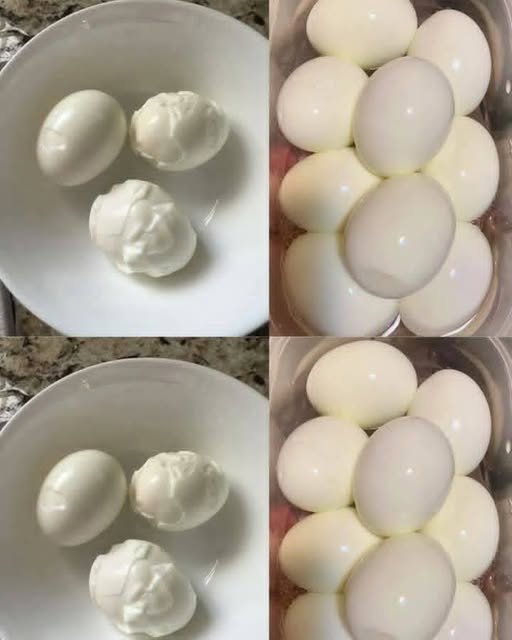
Perfect Hard-Boiled and Soft-Boiled Eggs
Eggs are a versatile staple in kitchens around the world, prized for their rich flavor, protein content, and ability to adapt to countless dishes. Whether you enjoy a firm, fully-cooked hard-boiled egg or a delicate, runny soft-boiled egg, mastering the boiling technique ensures consistent results every time. This recipe will guide you step by step for both styles, with tips for peeling, serving, and flavor variations.
Ingredients:
-
Large eggs (as many as needed)
-
Water
-
1 teaspoon salt (optional, for easier peeling)
-
Ice (for ice bath)
Equipment:
-
Saucepan with a lid
-
Slotted spoon
-
Bowl for ice bath
Part 1: Hard-Boiled Eggs
Step 1: Prep the eggs
Start by selecting fresh, large eggs. For easier peeling, eggs that are about a week old work best. Place the eggs gently in a single layer at the bottom of a saucepan. Avoid overcrowding, as eggs need space to cook evenly.
Step 2: Add water and salt
Fill the saucepan with cold water until the eggs are covered by about an inch or two. Adding a teaspoon of salt is optional, but it can help prevent cracking and make peeling easier later.
Step 3: Bring to a boil
Place the pan on medium-high heat and bring the water to a rolling boil. Once boiling, reduce the heat slightly to maintain a gentle boil. Cover the pan with a lid.
Step 4: Cook
For hard-boiled eggs, cook for 9–12 minutes depending on your preferred yolk consistency. Nine minutes yields a slightly creamy center, while twelve minutes gives a fully firm yolk.
Step 5: Ice bath
Immediately transfer the eggs to a bowl filled with ice water. This stops the cooking process, prevents the greenish ring around the yolk, and makes peeling easier. Let them sit for at least five minutes.
Step 6: Peel and serve
Gently tap the eggs on a hard surface, roll to crack, and peel under running water for best results. Hard-boiled eggs are perfect for salads, sandwiches, snacks, or even deviled eggs.
Part 2: Soft-Boiled Eggs
Step 1: Prep the eggs
Soft-boiled eggs are best with room-temperature eggs. You can leave eggs out for 10–15 minutes before cooking. This reduces the risk of cracking and ensures even cooking.
Step 2: Boil water
Fill a saucepan with enough water to cover the eggs and bring it to a gentle boil. Unlike hard-boiled eggs, soft-boiled eggs cook quickly, so timing is crucial.
Step 3: Cook the eggs
Lower the eggs into boiling water using a slotted spoon. Boil for 4–7 minutes depending on how runny you like the yolk:
-
4 minutes: very runny yolk
-
5–6 minutes: slightly custardy yolk
-
7 minutes: yolk mostly set but still soft
Step 4: Ice bath
Immediately transfer the eggs to an ice bath to halt cooking. This ensures the yolk stays soft and prevents overcooking. Leave them in the ice bath for 1–2 minutes.
Step 5: Peel and enjoy
Soft-boiled eggs are best served warm. Peel carefully, as the yolk is delicate. They are delicious with toast “soldiers,” in ramen, or atop a fresh salad. A sprinkle of salt and pepper enhances the flavor beautifully.
Tips and Variations:
-
Peeling Made Easy: Roll the eggs gently on a counter and peel under running water. Older eggs peel more easily than very fresh eggs.
-
Flavor Boost: Infuse hard-boiled eggs with flavor by simmering them in water with soy sauce, herbs, or spices after cooking.
-
Storage: Hard-boiled eggs can be refrigerated for up to a week, soft-boiled eggs are best eaten immediately.
-
Serving Ideas:
-
Hard-boiled: chop into a classic egg salad, slice over a Cobb salad, or enjoy as a protein-packed snack.
-
Soft-boiled: serve with avocado toast, ramen, or a drizzle of truffle oil for an elegant touch.
-
Mastering both hard- and soft-boiled eggs adds a simple yet sophisticated element to your culinary repertoire. With careful timing and the ice bath trick, you can achieve perfect eggs every time—creamy or firm, ready to elevate breakfasts, lunches, and snacks.