How to Make Natural, Nutrient-Rich Fertilizer from Banana Peels
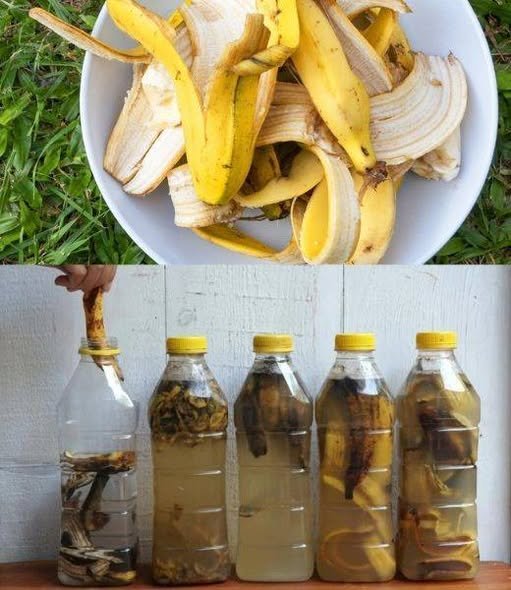
Banana peels are often thrown away as kitchen waste, but they are actually a powerful natural resource for gardeners. An image illustrating this method typically shows banana peels being collected, processed, and applied to plants, highlighting an eco-friendly way to recycle organic waste. By using banana peels as fertilizer, you can enrich soil naturally, reduce household waste, and promote healthier plant growth without relying on chemical products.
Banana peels are especially rich in potassium, an essential nutrient that supports strong root development, improves flowering, and enhances fruit quality. They also contain phosphorus, calcium, magnesium, and small amounts of nitrogen. These nutrients help plants grow stronger stems, resist disease, and produce better yields. Because of this nutrient profile, banana peel fertilizer is particularly beneficial for flowering plants, fruit trees, tomatoes, roses, peppers, and houseplants.
One common method shown in such images is making banana peel liquid fertilizer. The process begins by collecting several banana peels and cutting them into small pieces. Smaller pieces break down more easily and release nutrients faster. These pieces are then placed in a clean container filled with water. The mixture is left to soak for 24 to 48 hours. During this time, nutrients from the peels leach into the water, creating a mild, nutrient-rich solution. The liquid is then strained and used to water plants at the base, providing a gentle but effective boost.
Another method often illustrated is drying banana peels. The peels are placed under sunlight or in a low-temperature oven until completely dry and brittle. Once dried, they are crushed or ground into a fine powder. This banana peel powder can be mixed directly into garden soil or added to compost. It slowly releases nutrients over time, improving soil structure and fertility. This method is ideal for long-term soil enrichment.
Some images also show banana peels being buried directly in the soil. In this technique, peels are chopped and buried a few inches deep near plant roots. As they decompose, they feed beneficial microorganisms in the soil, which in turn make nutrients more available to plants. However, it is important to bury the peels properly to avoid attracting pests or insects.
Using banana peels as fertilizer offers several environmental benefits. It reduces kitchen waste, lowers the need for synthetic fertilizers, and supports sustainable gardening practices. Chemical fertilizers can sometimes harm soil life and contaminate water sources, while banana peel fertilizer is completely natural and safe. It is also cost-effective, making it an excellent option for home gardeners.
In conclusion, the method illustrated in the image demonstrates a simple yet powerful way to turn banana peels into a natural, nutrient-rich fertilizer. Whether used as liquid feed, dried powder, or compost material, banana peels help nourish plants, improve soil health, and promote eco-friendly gardening. This easy practice transforms everyday waste into a valuable resource, benefiting both plants and the environment.